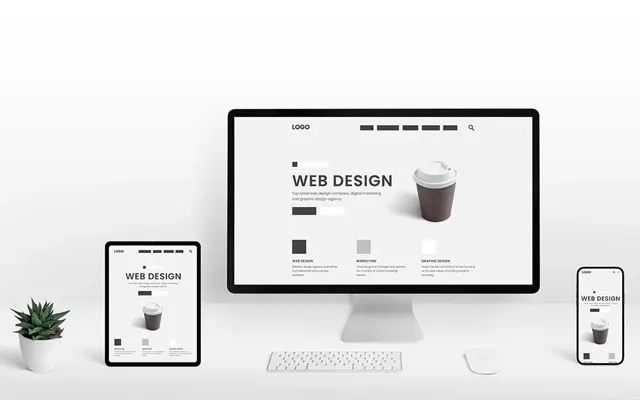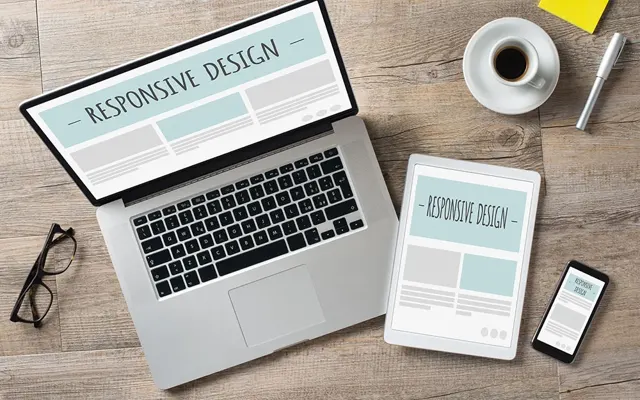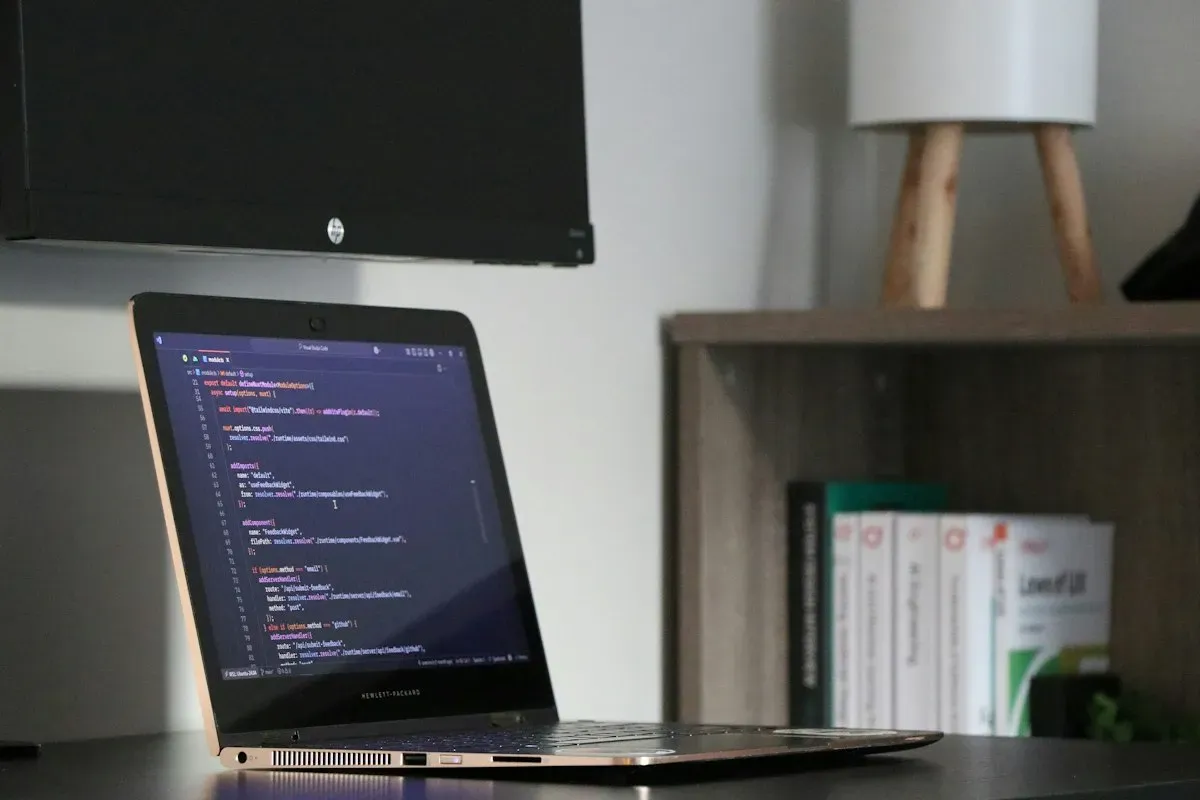
A template can provide a useful design foundation. It does not automatically make a website generic or prevent it from appearing in search. The more useful question is what was built with it and whether that result serves the business.
Look past the demonstration content.
A template preview often has carefully chosen images and short placeholder copy. Your real services, photographs, and business details may need a different arrangement. Review the page after the actual content is in place.
If every section could describe any company in the industry, the writing needs more attention regardless of the platform.
Check the structure and the working parts.
Make sure service pages have clear purposes, navigation leads where expected, and important information is available as readable content. Test the contact form and any catalog or booking features.
A custom design needs those checks too. The label attached to the build does not replace verification.
Choose the approach that fits the work.
Some businesses can use a well-adapted template effectively. Others need a custom inventory system, publishing workflow, or distinctive presentation that calls for more development. Discuss the requirements before choosing the tool.
Ask to see the finished pages on a phone, follow the main contact path, and find out how updates will be handled. Those checks help you evaluate the website you are buying.

I run Good Creations in Grants Pass. I work directly with business owners on website design, content, and search. My work includes service writing, inventory websites, and custom publishing tools.
Meet Bob ↗